Safety when working with a brush cutter and a saw
Safe work with a brushcutter and a chainsaw is based on three things: proper personal protective equipment (PPE), checking the machine before starting, and a sensible decision about whether to start at all. With STIHL equipment, it involves…
Safety when working with a brush cutter and a saw
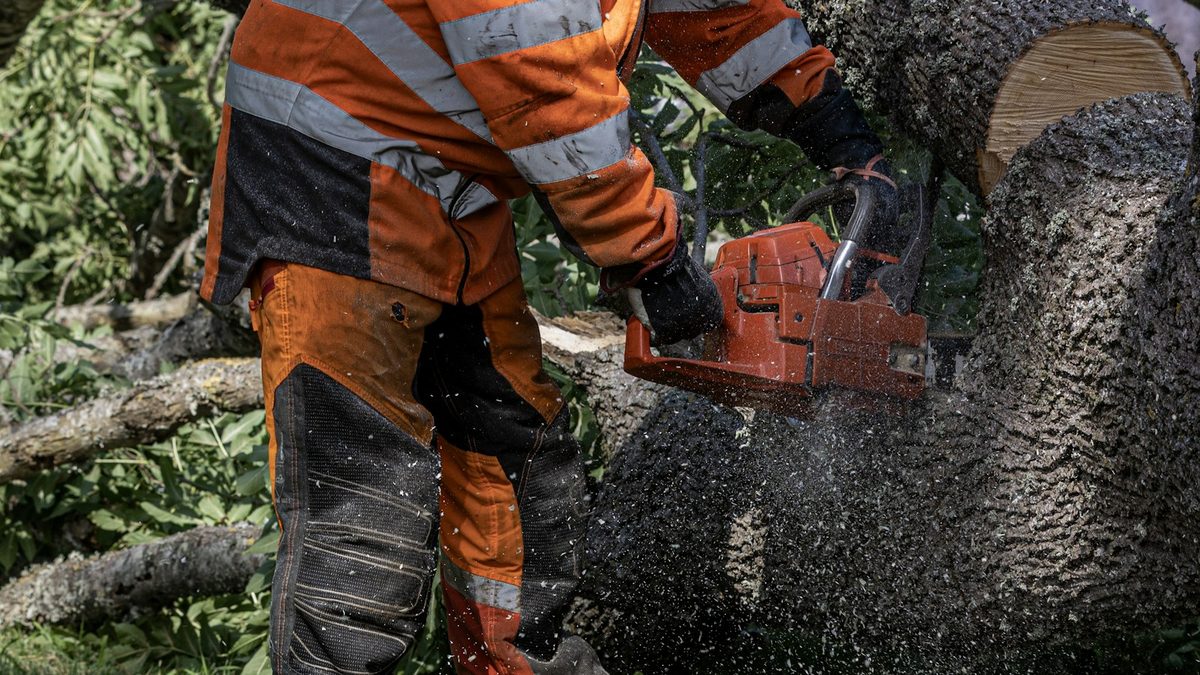
Safe work with a brush cutter and chainsaw is based on three things: proper personal protective equipment (PPE), checking the machine before starting, and a sensible decision about whether to start at all. With STIHL equipment, you are dealing with sharp tools at high speeds. The goal is not to scare, but to prevent injuries from flying debris, kickback, falls, or careless refueling.
In Zakservices in Senica, we help choose equipment and set habits according to the type of work. Below is a practical checklist for the garden, orchard, and smaller clearings.
What you will learn in this article
- what PPE makes sense when using a brush cutter and saw
- distances, passersby, and animals
- kickback and flying debris
- safe refueling and machine preparation
- when to postpone work, table, FAQ, and contact
Basic approach: calm, not fear
The brushcutter STIHL and the chainsaw STIHL are common land maintenance tools. Most accidents arise from routine: fatigue, missing shield, removed cover, a child standing nearby, or refueling a hot engine.
Before each change, take a minute to check. A minute of checking is cheaper than weeks of treatment.
PPE: what to wear and why
PPE is not an ornament. When using a brush cutter, it is mainly about protecting the eyes, hearing, and legs. When using a saw, it is also about protecting the legs and head depending on the scope of work.
During brush cutting STIHL
- eye or face protection (glasses, shield, or helmet with a mesh depending on the work)
- hearing protection when using a combustion engine
- sturdy footwear with a non-slip sole, preferably ankle-high
- long pants made of sturdier fabric, not shorts
- gloves with a good grip
- sturdy pants or gaiters when working with a metal blade, if the instructions and nature of the work require it
- no loose scarves, chains, or small items that could get caught
At the chainsaw STIHL
- helmet with hearing protection and a visor or goggles (especially for logging and work above waist level)
- cut-resistant trousers or gaiters according to the standard and scope of work
- cut-resistant boots or at least very sturdy work shoes
- gloves suitable for working with a saw
- snug-fitting clothing without loose parts
During short home trimming of small diameters, people often underestimate the importance of pants and footwear. It is precisely the legs that are most vulnerable to kickback and slipping. If you use a saw regularly, investing in PPE makes sense.
Before start: 2-minute check
- Read the relevant parts of the manual for your model STIHL (at least once per season).
- Check the cover, handles, ropes, dampers, and attachment of the cutting tool or bar.
- For the chainsaw, check the chain tension, bar lubrication, and chain brake function.
- For the brushcutter, check the line or blade, cover, and harness.
- Make sure there are no stones, wires, glass, toys, or hoses around.
- Adjust the brushcutter harness so that the machine hangs balanced and does not pull to one side.
- Make sure you are wearing PPE before starting.
A damaged cover, a non-functional chain brake, or a loose blade means: do not start and seek service or part replacement.
Distances and passersby
The flight of grass, gravel, bark, or a piece of string can cause injury even several meters away from the machine.
Practical rules: - create a safe space around your work. When using a brush cutter, account for flying debris. Generally, this is often a zone of around 15 m depending on the instructions and situation. Take the exact value from the manufacturer's manual. - children, dogs, and passersby do not belong in the work area - when working near a road or sidewalk, account for people and, if necessary, schedule work outside of peak times - when sawing, inform household members where you will be and when you will finish - in a remote area, have a phone and a prearranged contact
Never leave a running machine unattended. Turn off the engine during a break and secure the machine.
Recoil and Rise: What You Need to Know
Chainsaw
Kickback (reverse throw) occurs mainly when the tip of the bar comes into contact with wood or a solid object. The saw can quickly lunge towards the operator.
How to reduce the risk: - use a sharp and properly tensioned chain - hold the saw with both hands, thumb under the handle according to the instructions - work from a stable stance, do not cut above shoulder height unless necessary and manageable - watch the tip of the bar - have a functional chain brake and know how to activate it - do not force the bar through the cut
Brushcutter
With a springboard the main risks are being thrown off and getting whipped. With a metal knife or trident, the risk of a rebound against a solid object (stone, stump, metal) increases.
How to Reduce the Risk: - use only the tool approved for the model and with a functional cover - first inspect the terrain and remove stones, wires, and bottles - enter dense unknown vegetation carefully and gradually - do not work with the raised cutting tool above a manageable height - keep the harness properly adjusted so that you control the machine, not the other way around
Refueling and working with fuel
Refuel gasoline machines STIHL thoughtfully.
Refueling Checklist: - let the engine cool down - refuel outside or in a very well-ventilated area - no smoking, open flames, or sparks nearby - for two-stroke engines, follow the prescribed ratio of oil to gasoline - keep fuel in an approved container - wipe up any spilled fuel and let it evaporate before starting - tighten the fuel cap
Do not leave fuel in the car in the heat or near children. Do not store the mixed fuel for months without necessity.
Terrain, Slopes and Fatigue
- Stand stably on the slope. When using a brushcutter, work in a way that you do not lose your balance
- Wet grass, mud, and dew increase the risk of slipping
- Uneven terrain with holes and roots requires slower progress
- When cutting trees, consider the direction of fall, hinges, and tension in the wood. Leave larger and risky trees to the experienced
- Fatigue, thirst, and heat reduce reaction time. Take breaks
If you are tired, stop working. Finishing 'just one more tree' when tired is a common accident scenario.
When NOT to Work
Postpone work if any of the following applies:
- you are under the influence of alcohol, drugs, or medications that impair attention
- you are extremely tired, sick, or do not have stable balance
- PPE is missing or damaged
- cover, chain brake, harness, or cutting tool is not in order
- there are children, animals, or people in the workspace whom you cannot remove
- storm, strong wind, heavy rain, or darkness without sufficient lighting
- slope or tree exceeds your experience and equipment
- you do not know what is in the vegetation (wires, glass, metal, wasp nest)
Postponing work is not a failure. It is part of a safe procedure.
Table: quick safety overview
| Area | Brushcutter STIHL | Chainsaw STIHL |
|---|---|---|
| Eyes and face | yes always | yes always |
| Hearing | yes for an internal combustion engine | yes |
| Legs | sturdy footwear, long trousers | cut-resistant trousers and sturdy footwear according to the work |
| Head | according to work (visor, helmet) | helmet for mining and riskier cuts |
| Main risk | takeoff, slash, knife strike | recoil, cut, falling wood |
| Surroundings | distance from people and animals, site inspection | distance, fall plan, communication |
| When to stop | fatigue, damaged cover, close people | fatigue, non-functional brake, uncertain tree |
Maintenance that increases safety
- a sharp chain and a sharp knife or a quality string reduce force struggles with the machine
- a clean air filter and correct mixture improve operation and predictability
- regular inspection of nuts, covers, and vibration dampers
- after hitting a stone, check the knife, shaft, and cover before continuing
- replace worn bar, chain, or string head in time
We will check the parts and PPE warehouse in Zakservices in Senica. There is no need to come up with compromises from unsuitable parts.
Frequently Asked Questions (FAQ)
1. Are just glasses enough when using a brush cutter?
For fine grass, sometimes yes, but on rocky terrain with a blade, a face shield or helmet with a mesh is safer depending on the type of work. Always protect your eyes.
2. What distance should bystanders maintain? Keep people and animals away from the blast zone. As a guideline, it is often about 15 m depending on the situation and instructions. Take the exact value from the machine's manual.
3. When to use a string and when to use a knife on a brush cutter?
The string is more suitable for grass and finer vegetation. A metal knife is for thicker brush growth, but only with a functional guard and after inspecting the terrain. Always according to the manufacturer's approval for the specific model.
4. Is a battery-powered brush cutter or saw STIHL safer than a gasoline one?
There is no need to work with fuel and it is often quieter. However, the risk of flying debris, cuts, and kickback remains. PPE and safety distances also apply when using battery-powered tools.
5. Can I saw from a ladder? In general, we do not recommend it. An unstable stance and a saw are a bad combination. Choose a safe approach from the ground or leave the work to more experienced people.
6. What is the most common beginner's mistake? Working without eye protection, removed cover, children standing nearby, and continuing even when tired. The second common mistake is a dull chain or a bad knife, which forces pushing with force.
7. When to go straight to a service instead of doing the work yourself?
In case of a non-functioning chain brake, damaged guide bar, strong vibrations, fuel leakage, damaged cover, or suspicion of a bent shaft after an impact. A safe machine is essential.
8. Will you help in Senica with the selection of PPE? Yes. At Zakservices we will advise on practical equipment for the STIHL model and type of work. Availability will be checked according to stock.
We will help you in Zakservices Senica
If you are dealing with the selection of a brushcutter or saw STIHL, harness adjustment, chain, blade, or PPE, come with a description of the work (grass edge, brushwood, wood, slope). In Zakservices in Senica, we will set a safe and practical procedure according to the warehouse and service.
Zakservices, Ltd. Obchodná 493/2A, 905 01 Senica (white building opposite the Kaufland parking lot) Tel.: 0904 446 915, 034/651 7072 E-mail: zakservices@zakservices.sk Web: https://zakservices.sk) and https://zakservices.pages.dev/)
We will personally check specific models, parts, and availability.